Food Farm Gardens

Service:

Organic Products

Plantation Succour – The Heart of Regeneration

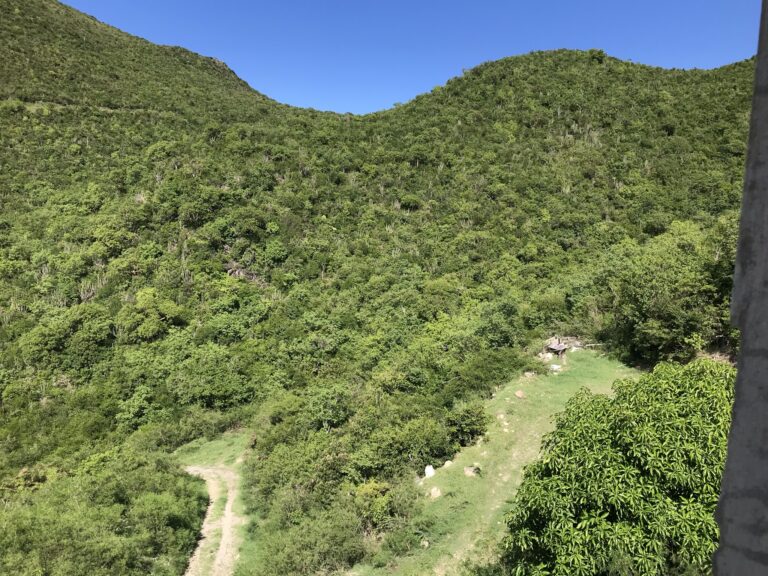
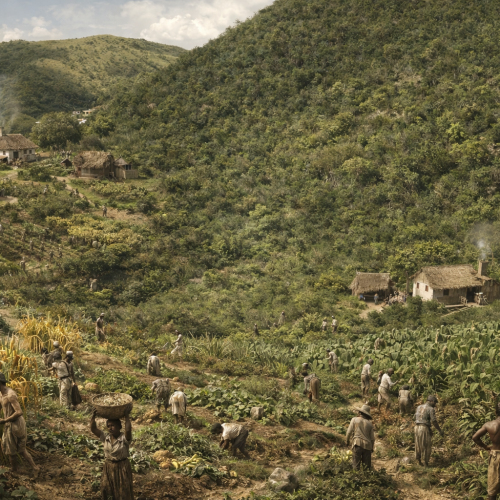
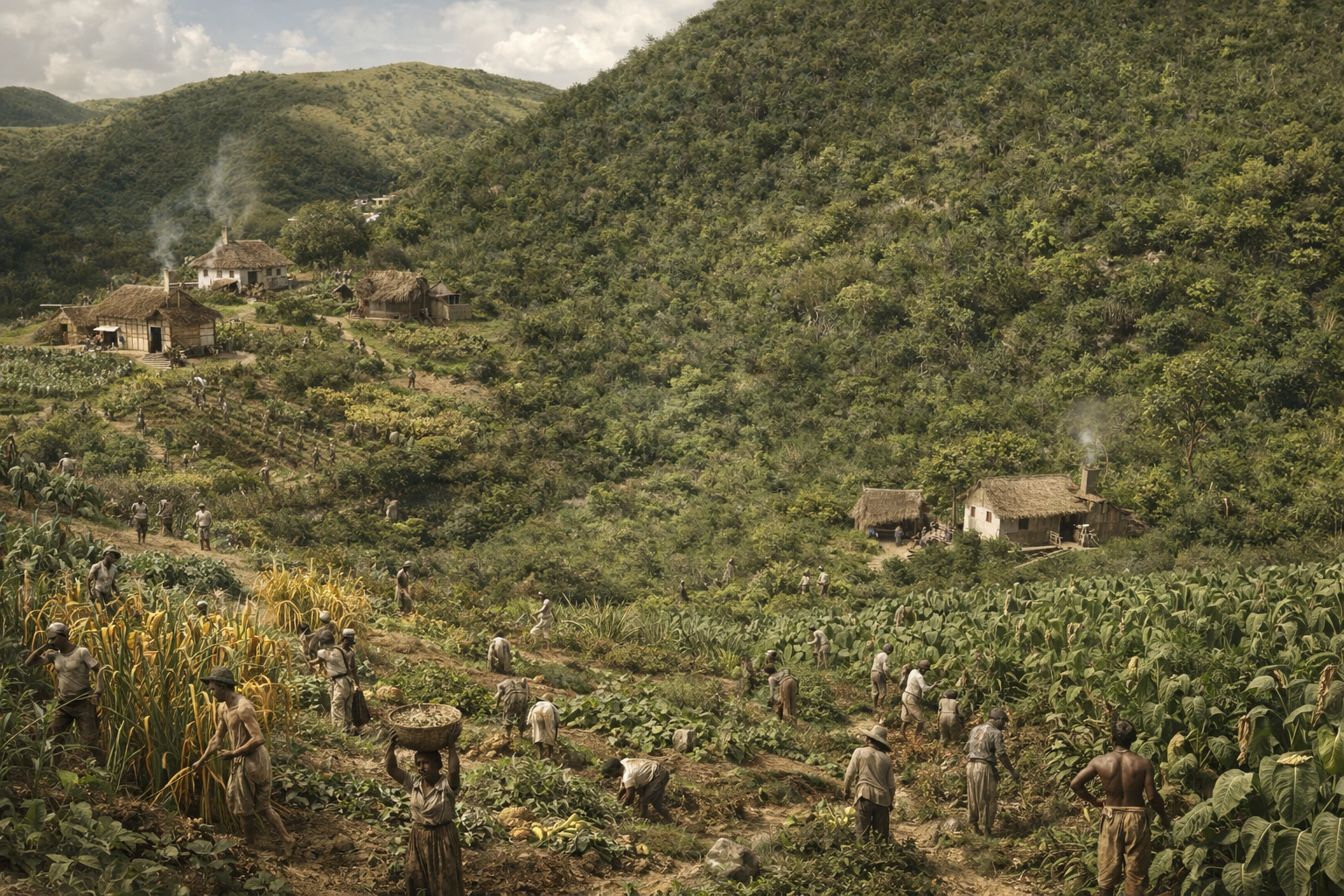
Long before modern Sint Maarten bustled with markets and cruise ships, this island was a wild, fertile land—discovered by European explorers in the 15th century and forever changed by the arrival of the first enslaved Africans in the 1600s. Those early centuries were marked by hardship and resilience. The enslaved built the very walls and fields that still shape the landscape, carrying with them knowledge of farming, healing, and survival that would nourish generations to come.

At the heart of this legacy stands Plantation Succour. Its name, “Succour,” means “aid” or “relief”—a fitting symbol for a place that once witnessed suffering, but now rises as a beacon of hope and renewal. For centuries, Succour was a site of forced labor and colonial exploitation. Today, we honor that difficult history by transforming the land into a source of empowerment, healing, and community-driven abundance.

Reviving Plantation Succour is about more than restoring old fields—it’s about restoring dignity, memory, and opportunity to Sint Maarten. This is where the past meets the future: every seed planted is an act of remembrance and a promise of better days ahead.

With new agricultural developments, sustainable farming, and community programs, Succour has the potential to feed a significant percentage of Sint Maarten’s population. Imagine a future where local families enjoy fresh, homegrown food, where children learn from the land, and where the island’s food security is no longer at risk from distant supply chains or storms.

Succour is more than a place—it’s a movement. Here, we come together to heal old wounds, celebrate our heritage, and build a resilient, self-reliant Sint Maarten. Join us as we transform history into hope, and land into lasting nourishment for all.
Most important and challenging facts about this project

What Makes This Project So Important

  • Food Security for Sint Maarten:
    Plantation Succour is designed to reduce our dependence on imported food, making the island more resilient in the face of hurricanes, shipping disruptions, and rising costs. With full development, Succour could provide fresh, nutritious food for a significant percentage of the population—improving public health and economic stability.
  • Restoring Heritage and Healing:
    This land carries the legacy of centuries of forced labor and survival. By turning it into a center for community agriculture, education, and empowerment, we honor the ancestors and transform a site of pain into a place of pride, healing, and hope.
  • Community-Led Regeneration:
    Unlike many top-down projects, Succour’s revival is driven by local people, for local people. Every decision, from crop selection to educational programs, is shaped by community voices and needs.
  • Education for All Ages:
    The project is a living classroom—teaching children, youth, and adults about sustainable farming, nutrition, history, and entrepreneurship. It’s a space where knowledge is passed from elders to youth, and innovation grows alongside tradition.
  • Environmental Stewardship:
    Through composting, organic practices, and biodiversity restoration, Succour sets a new standard for ecological responsibility on the island.

The Biggest Challenges We Face

  • Restoring Degraded Land:
    After centuries of intensive use and neglect, much of the soil is depleted and infrastructure is in disrepair. Reviving the land requires investment, expertise, and patience—healthy soil takes years to rebuild.
  • Securing Sustainable Funding:
    Large-scale transformation needs reliable, long-term funding for infrastructure, staff, education, and community programs. Grants and donations are essential, but so is building a self-sustaining model through sales, memberships, and events.
  • Changing Mindsets:
    For some, agriculture is still associated with “slave work” or poverty. Inspiring pride in farming, especially among youth, requires cultural change, education, and visible success stories.
  • Climate and Disaster Risks:
    Hurricanes, droughts, and rising temperatures threaten crops and infrastructure. The project must invest in resilient systems: hurricane-resistant greenhouses, water harvesting, and robust disaster plans.
  • Bureaucracy and Permits:
    Navigating land use approvals, zoning, and multi-jurisdictional regulations can slow progress and add complexity to every stage of development.
  • Ensuring Inclusion and Access:
    It’s vital that Succour remains open and accessible to all—regardless of income, background, or ability. Balancing sustainability with affordability is an ongoing challenge.

Despite these hurdles, every step forward at Plantation Succour is a victory for Sint Maarten’s future. The challenges are real, but so is the promise: a healthier, more self-reliant, and united island, rooted in heritage and hope.

loader

CLOSED PROJECTS

Latest Projects List

×