When you become a member of the Community Gardens at Plantation Succour, you’re not just renting a plot of land—you’re joining a living piece of Caribbean history. Every day you spend tending your garden, you walk the same paths where many local Sint Maartener ancestors once labored, but now you do so as a free person cultivating food for your own family and community.
The heritage site opens its gates to members during daylight hours, allowing you to experience the profound transformation of this 300+ year-old plantation. As you work among the ancient slave walls that now frame your growing beds, you participate in guided heritage tours that tell the complete story of how this land evolved from a symbol of oppression into a beacon of food sovereignty. These aren’t just historical lectures—they’re storytelling sessions where the Marlin family legacy comes alive, connecting you to the deeper meaning of every seed you plant and every harvest you gather.
Your membership includes comprehensive educational support through our partnership with the Heritage Agrarian Institute of Caribbean Innovation (HAICI). Rather than learning farming techniques in isolation, you participate in monthly workshops that blend traditional Caribbean agricultural wisdom with cutting-edge sustainable practices. These sessions cover everything from understanding our unique climate patterns to mastering organic pest management techniques that your grandparents might have used. You’ll learn to save seeds from heirloom Caribbean varieties, ensuring that traditional crops continue to thrive in modern gardens.
The community aspect of membership extends far beyond individual plot management. Throughout the year, you’ll participate in quarterly harvest festivals that celebrate not just the abundance of your gardens, but the cultural richness of Caribbean agricultural traditions. Monthly potluck gatherings become opportunities to share recipes made from your own produce while learning from fellow gardeners who bring decades of growing experience. Children’s programs during school holidays ensure that the next generation understands where their food comes from and how to grow it themselves.
Technical support comes through on-site FFGA agricultural consultants who understand the unique challenges of growing food on terraced, sloped terrain. These experts provide personalized soil assessments for your specific plot, helping you understand how the volcanic earth responds to different crops and growing methods. They monitor weather patterns and provide advance warnings for hurricane season, teaching you how to protect your crops and prepare for the storms that are part of Caribbean life.
Your membership also opens economic opportunities that extend beyond personal food production. The Keys Market reserves vendor stalls for community garden members, allowing you to sell surplus produce. This isn’t just about making money—it’s about building a local food economy where neighbors support each other’s agricultural efforts. Through bulk purchasing arrangements, you access seeds, tools, and organic amendments at reduced costs, while participation in community activities earns you Eco Shares and Caribbean Eco Tokens (CARET) that can be used for future purchases or services.
Membership in the Community Gardens comes with responsibilities that reflect our commitment to sustainable agriculture and community respect. The terraced landscape requires you to acknowledge and adapt to sloped terrain that can be challenging but also creates unique growing opportunities. Each terrace level offers different microclimates and drainage patterns, and part of your learning journey involves understanding how to work with these natural variations rather than against them.
Organic growing standards aren’t just rules—they’re commitments to the health of the soil, the safety of the food you’re producing, and the preservation of the ecosystem that supports all life on the island. This means learning to manage pests and diseases using traditional Caribbean methods and modern organic techniques, building soil health through composting and natural amendments, and conserving water through mulching and efficient irrigation practices.
Community standards reflect the respect we have for this historic site and for each other. Tool rental accountability ensures that shared equipment remains available for everyone, while damage fees help maintain the resources that make successful gardening possible. The zero waste principles we follow mean that everything that comes from the earth returns to the earth through composting and recycling programs that turn waste into valuable soil amendments.
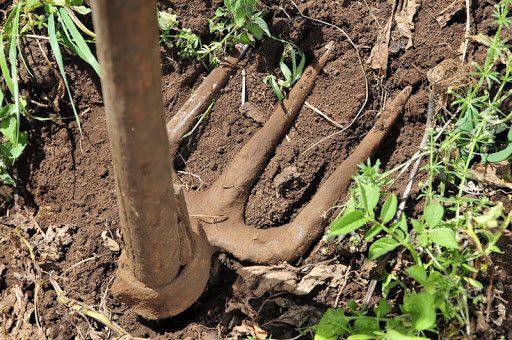
Safety requirements acknowledge that working on sloped terrain requires awareness and preparation. You’re responsible for your own safety while working on hillside plots, and we require emergency contact information so we can reach someone if needed. These aren’t restrictions—they’re practical measures that allow everyone to enjoy the gardens safely while respecting the challenging but beautiful landscape we’re working with.
Core Benefits
Financial Benefits
Community Benefits
Membership Types & Commitments
Operational Policies
Governance Structure
Sustainability Requirements
This policy framework ensures our Community Gardens program maintains its sustainable mission while creating a thriving, self-governing agricultural community! The combination of heritage preservation, modern sustainability, and community empowerment makes us unique in the Dutch Caribbean.